
Writing off the maximum rental property tax deductions for remodeling and upgrades on your taxes requires knowledge of tax law. IRS regulations determine when and if you can deduct taxes for upgrades on rental property. Not all upgrades are eligible, and the deduction timeline depends on whether you make repairs or do capital improvements, which in turn, depends on what you repair or replace and the extent of the property modification.
Unit of Property
For tax write-offs, the IRS does not consider the entire property. Instead, it uses a unit-of-property benchmark under the Code of Federal Regulations, Title 26 CFR § 1.263A‑10. Units of property are the building’s structures and systems. Structures like walls, the roof, and windows are separate systems, and electrical, plumbing, and HVAC systems are property units. The IRS assesses what property owners do to each unit to determine whether it is a repair or a capital improvement.
The Upgrades Rental Property Tax Deductible
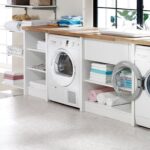
Under IRS regulations, repairs must not drastically alter your property, add substantial value, or extend the property’s lifespan; they must merely patch without adding. For example, replacing tiles in a laundry room qualifies. Other repair-deduction examples under IRS regulations include replacing individual roof shingles, fixing broken windows, and patching drywall. Repairs do not need to be part of a larger project.
Basically, repair deductions are essential maintenance, not upgrades. For example, a roof patch is acceptable as a repair, but claiming shingle replacement when you replace an entire roof is not deductible.
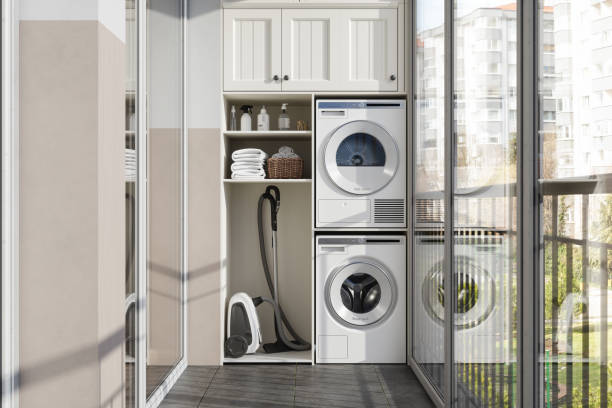
Capital improvements are property renovations, additions, and adaptations that add monetary value. One example is buying a newer model of washing machine to replace a broken one. The newer model adds greater capital value to the property. But repairing the broken appliance or replacing it with one of equal value does not.
The BAR Test
The BAR test is an IRS regulation test determining whether property changes are capital or repair deductions. BAR stands for Betterment, Adaptation, and Restoration. Treasury Regulation section 1.263(a)-3(d) through (k) defines what betterments, adaptations, and restorations are for tax purposes.
Betterment
Under Treasury Regulation section 1.263(a)-3(j), a betterment increases property capacity and efficiency compared to its previous condition. A betterment fixes existing material conditions or defects. Property structural integrity, appearance, the state of a property’s systems, and appliances define material condition. Adding a new roof is a betterment.
Adaptation
Under Treas. Reg. section 1.263(a)-3(l), expenditures are adaptations if you convert a property to a new or different use. The adaptation is dissimilar to the property’s initial purpose. For example, converting a residential property to office space is an adaptation. Other examples are converting a garage into a living space or converting a single-family home into a multifamily rental.
Restoration
Treas. Reg. section 1.263(a)-3(k) defines restoration as returning the property to operating condition after the property has deteriorated to a state of disrepair. Replacing a major property part or substantial structural part constitutes a restoration. Examples of restoration are replacing the entire roof, installing an entire HVAC system, and rebuilding a foundation after the property structure fails.
Passing the BAR Upgrades Rental Property Tax Deductible Tests
Betterment Test
A tax write-off is possible when you do not add to the property’s value. For example, replacing a broken water heater with the same model does not add greater monetary value. Replacing it with a model that functions the same restores it but doesn’t financially enhance the property.
Adaptation Test
Avoiding adaptation means keeping the property for its original purpose during repairs. For example, repainting a bedroom between tenants keeps the property for its intended purpose. Repainting does not change the purpose, and no capital value is gained.
Restoration Test
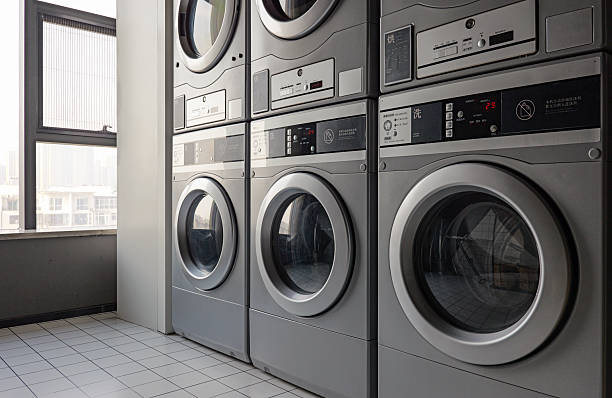
Restoration is defined as replacing major units of property. Replacing a major part like an HVAC system is restoration. In contrast, replacing an HVAC compressor (a part) is repair. Similarly, completely replacing a dryer instead of fixing it is restoration and a capital expense.
Safe Harbors
The IRS offers “safe harbors” that enable rental property owners to make upgrades be tax deductible. Landlords may deduct building repair costs, but capital improvements must usually be depreciated over several years. Safe harbor rules enable rental property owners to immediately deduct expenses otherwise considered improvements. Three important safe harbor rules are as follows.
De Minimis Safe Harbor
The de minimis safe harbor, IRS Reg. § 1.263(a)-1(f), allows deductions if the cost does not exceed $2,500 or $5,000 if you have relevant financial statements. The dollar limit applies to each separate unit of property on an invoice, not the invoice total. For example, you cannot deduct an entire roof replacement by breaking up the roof cost into individual parts.
Routine Maintenance Safe Harbor
The routine maintenance safe harbor, IRS Reg. § 1.263(a)-3(i), allows rental property owners to deduct expenses that qualify as routine maintenance. This safe harbor has no annual dollar limits. Routine maintenance is repeated work that a rental property owner does to keep a building’s units of property in operating condition. Inspection, cleaning, and testing qualify as routine maintenance. Replacing damaged or worn-out parts with comparable parts also qualifies. Maintenance activities must not add capital value to the property.
Ten-Year Rule and Betterment Rule
Replacement parts qualify if rental property owners expect to perform the same maintenance again within ten years. Large building components, such as roofing, windows, new laundry room appliances, and HVAC replacement, do not qualify. These units are upgrades and capital improvements.
Safe Harbor for Small Taxpayers
The Safe Harbor for Small Taxpayers (SHST), IRS Reg. § 1.263(a)-3h, allows landlords to take an immediate repairs and rental property deductible on Schedule E, line item 14, on the 1040 tax form. Schedule E covers income or losses from rental real estate and other taxable income. Permitted annual expenses are repairs, maintenance, improvements, and other costs for a rental building. Restrictions applying to this safe harbor are:
- Unadjusted Basis: The SHST applies only to buildings with an unadjusted basis of $1 million or less. Aimed at small property owners, it excludes the land that the rental property sits on, improvements to land, and personal property. If you own more than one rental property, the $1 million limit applies to each.
- Annual Expenses: Repairs, maintenance, and improvements should not exceed the lesser of $10,000 or 2% of the building’s unadjusted basis. In other words, owners should choose whichever deduction is smaller: $10,000 or 2%.
- Annual Gross Income: For an SHST, the rental property owner’s income must be less than $10 million for the three preceding tax years. The SHST safe harbor is for small property owners, not property owners with large rental property ownership.
Repair and Capital Improvement Deductions
Under IRS regulations, repairs are immediately deductible expenses. Capital improvements are capitalized and depreciated over 27.5 to 39 years.
Professional Advice
Consulting a tax professional is recommended to maximize deductions without penalty. Certified public accountants or enrolled agents who specialize in real estate should understand IRS tangible property regulations. Understanding repairs, capital improvements, and safe harbor law is essential. A tax advisor should be competent in defensive audits and future planning.
Final Note
Repairs and capital improvements seem like complicated tax topics. However, comprehension of tax laws is essential for any rental property owner. Understanding concepts like unit of property, the BAR test, and safe harbors affects critical decision-making processes. Decisions about betterment, restoration, and adaptation versus repair influence the profitability and success of rental property. Seeking professional tax advice clarifies these issues and supports an effective deduction process.
Discover how SelfOp Laundry’s innovative laundry solutions can transform your property’s amenities and operational efficiency. By choosing our clients’ equipment, you can attract new tenants, increase satisfaction, and boost your property’s value. Contact us today to learn more about how these advanced systems can support your property management goals and deliver long-term benefits. Let us help you create a more reliable, cost-effective, and eco-friendly laundry experience for your residents.