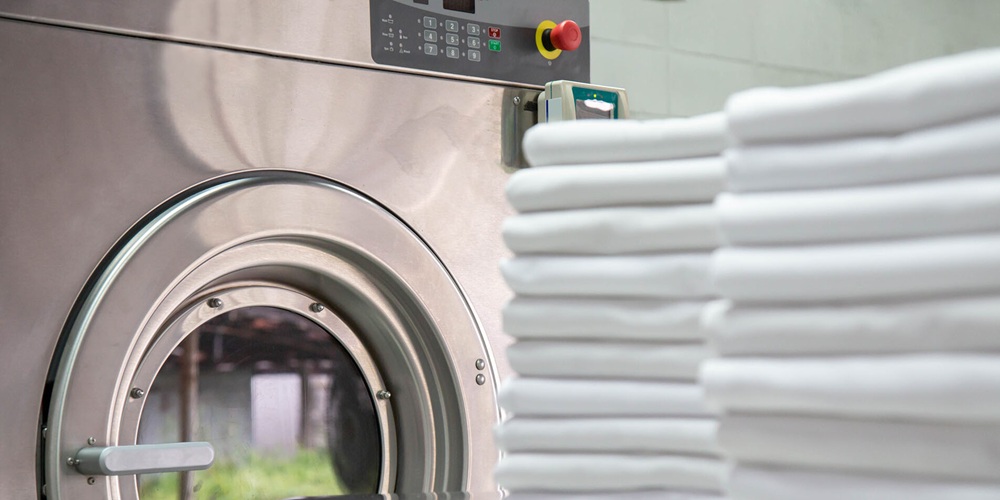
In today’s competitive property management landscape, laundry facilities can be more than a convenient amenity. In fact, they can become a meaningful revenue source. Laundry operations and management give property managers an opportunity to increase income while improving the resident or customer experience.
However, simply installing washing machines and dryers isn’t enough. Successful laundry programs require smart revenue strategies, efficient equipment, diversified services, and technology that makes operations easier to manage. By combining multiple revenue streams with efficient operations, property managers can turn an ordinary laundry facility into a stronger contributor to the bottom line.
Know That Efficiency Matters
Before adding new services or raising prices, property managers should ensure that their existing laundry operation runs efficiently. Efficiency starts with researching the right equipment, understanding customer usage, and identifying opportunities to reduce unnecessary expenses.
High-efficiency equipment can generate greater returns by reducing water and energy consumption while enabling machines to handle more loads. Property managers should also review machine utilization regularly. If certain machines are consistently underused, removing them can free up valuable space and reduce maintenance costs. Operating hours can be similarly optimized. If usage data shows that certain time slots generate little activity, scaling back those hours may reduce unnecessary utility and staffing costs.
Small facility improvements can contribute to long-term savings. For example, LED lighting can reduce energy consumption, while heat-sensing or moisture-sensing dryers can help prevent unnecessary drying time. An out-of-service machine produces no revenue, so expediting repairs is critical. A proactive maintenance program can help keep equipment operating and minimize lost income.
Create Additional Revenue Streams
Building laundry revenue doesn’t have to mean simply adding more machines. A diversified approach can create additional income while giving customers more reasons to use the facility.
One option is a wash-and-fold drop-off service. Customers pay for the convenience of having their laundry washed, dried, folded, and returned. This can be particularly attractive to busy professionals, older residents, families, and customers without convenient access to laundry equipment.
Property managers can also consider offering laundry services to outside customers, creating a revenue stream beyond the property’s existing residents or tenants. These can include:
- Pressing and ironing
- Stain treatment
- Minor alterations
- Linen rentals
- Commercial laundry services
Vending can provide another relatively simple revenue opportunity. Detergent, fabric softener, dryer sheets, snacks, and beverages can be convenient purchases for customers already using the facility.
The idea is to think beyond the machine cycle. A laundry facility can become a collection of complementary services rather than a singular operation focused exclusively on washing and drying.
Ensure Price for Profit
Increasing revenue doesn’t necessarily mean charging the highest possible price. Instead, property managers should understand the true cost of providing each service and develop pricing that produces a sustainable profit.
When calculating costs, consider:
- Labor
- Equipment
- Laundry supplies
- Repairs and maintenance
- Water and sewer
- Electricity and other utilities
- Facility overhead
- Delivery or transportation costs
Once the costs are understood, property managers can develop tiered pricing that gives customers different service options. For example, standard wash-and-fold service could have one price, while same-day or premium service commands a higher rate.
Peak and off-peak pricing can help balance demand. Lower prices during slower periods may encourage customers to use the facility when equipment would otherwise sit idle. Subscription or membership pricing is another potential strategy. Regular customers might pay a recurring fee in exchange for discounted services or other benefits. This can encourage repeat business and provide a more predictable revenue stream.
Most importantly, property managers shouldn’t automatically underprice services simply to compete. If a price doesn’t cover the actual cost of providing the service and generate an appropriate margin, increased sales may actually increase losses.
Use Technology to Boost Revenue
Technology has a vital role in modern laundry operations and management. Used correctly, it can provide property managers with information that makes it easier to increase revenue while controlling costs.
Commercial laundry management software and connected equipment can help operators monitor machine activity and identify patterns in customer behavior. For example, utilization data can reveal which machines are busiest and which are consistently underused. Automated dispensing systems can help control the amount of detergent and other products used during each cycle. Inventory tracking can also prevent costly shortages and reduce money tied up in excess supplies.
Data becomes particularly valuable when used to make operational decisions. If a property’s records show that certain machines or time periods consistently underperform, managers can adjust equipment allocation, pricing, operating hours, or promotions accordingly.
Technology can also support online advertising and digital marketing. Promoting wash-and-fold services, special offers, memberships, or other services through online channels can help bring in customers beyond the property’s traditional customer base.
Manage Long-Term Growth
Revenue growth isn’t a one-time project. Successful laundry operations require ongoing measurement and management. Property managers should establish KPIs that clearly show financial and operational performance. Useful measurements can include:
- Revenue per pound
- Cost per pound
- Equipment utilization
- Labor productivity
- Rewash rates
- Customer retention
- Revenue by service
- Repair and maintenance costs
Regularly reviewing these numbers makes it easier to identify underperforming services and find new opportunities. A service that looked promising when introduced may not generate enough revenue to justify its cost. Conversely, a service that performs well may create an opportunity for expansion.
Operating hours and employee scheduling should also be reviewed regularly. Extending hours may make sense if demand is unmet, while improving scheduling can increase productivity without increasing labor costs. The goal is to create a continuous improvement cycle: Measure performance, identify opportunities, make adjustments, and measure again.
Final Note
Generating additional revenue from a laundry facility requires more than adding machines or increasing prices. Successful laundry operations and management combine efficiency, diversification, strategic pricing, technology, and ongoing performance measurement.
Property managers should look beyond the traditional machine-based model and consider additional services, including wash-and-fold, pressing, linen rentals, and vending. Efficient equipment, thoughtful pricing, technology, and data-driven management can also help protect margins.
Ultimately, the biggest revenue opportunities may come from small operational improvements that add up over time. Continually look for opportunities to improve, whether improving appliance utilization, introducing a new service, adjusting prices, reducing costs, or making the customer experience more convenient.
Discover how SelfOp Laundry’s innovative laundry solutions can transform your property’s amenities and operational efficiency. By choosing our clients’ equipment, you can attract new tenants, increase satisfaction, and boost your property’s value. Contact us today to learn more about how these advanced systems can support your property management goals and deliver long-term benefits. Let us help you create a more reliable, cost-effective, and eco-friendly laundry experience for your residents.